April Strawberries: Finding the Season's First Sweet Berries at Your Farmers Market
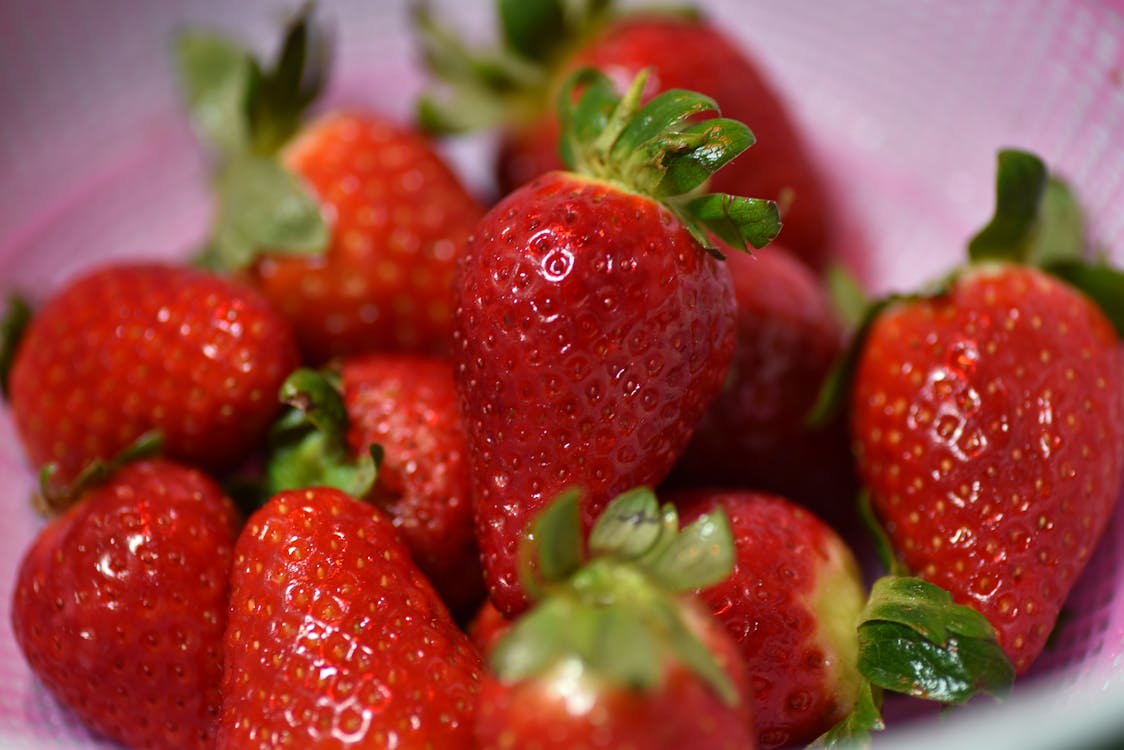
There's a moment every April when you walk through your local farmers market and catch it — that unmistakable sweet fragrance drifting from a table piled high with small, deeply red strawberries. These aren't the oversized, pale-centered berries from the grocery store. They're the real thing, and they signal that spring has truly arrived.
April marks the beginning of strawberry season across much of the United States, and farmers markets are the best place to experience these berries at their absolute peak. If you haven't tasted a freshly picked, sun-ripened strawberry from a local farm, you're in for something special this month.
Why Farmers Market Strawberries Taste So Much Better
The difference between a supermarket strawberry and one from your local farmers market comes down to one simple fact: commercial strawberries are bred for shelf life and shipping durability, not flavor. They're picked underripe so they can survive days of transportation and still look presentable on the shelf.
Farmers market strawberries, on the other hand, are picked at peak ripeness — often that very morning. Local growers choose varieties based on taste rather than transportability. Varieties like Earliglow, Chandler, and Jewel deliver intense sweetness and complexity that commercial cultivars simply can't match. You'll notice the difference immediately: deeper color all the way through, a softer texture, and a fragrance that fills the room when you bring them home.
According to the USDA, strawberries begin to lose vitamin C within hours of harvest. Berries that travel from farm to table in the same day retain significantly more nutrients than those that spend a week in transit and cold storage.
When and Where to Find Them
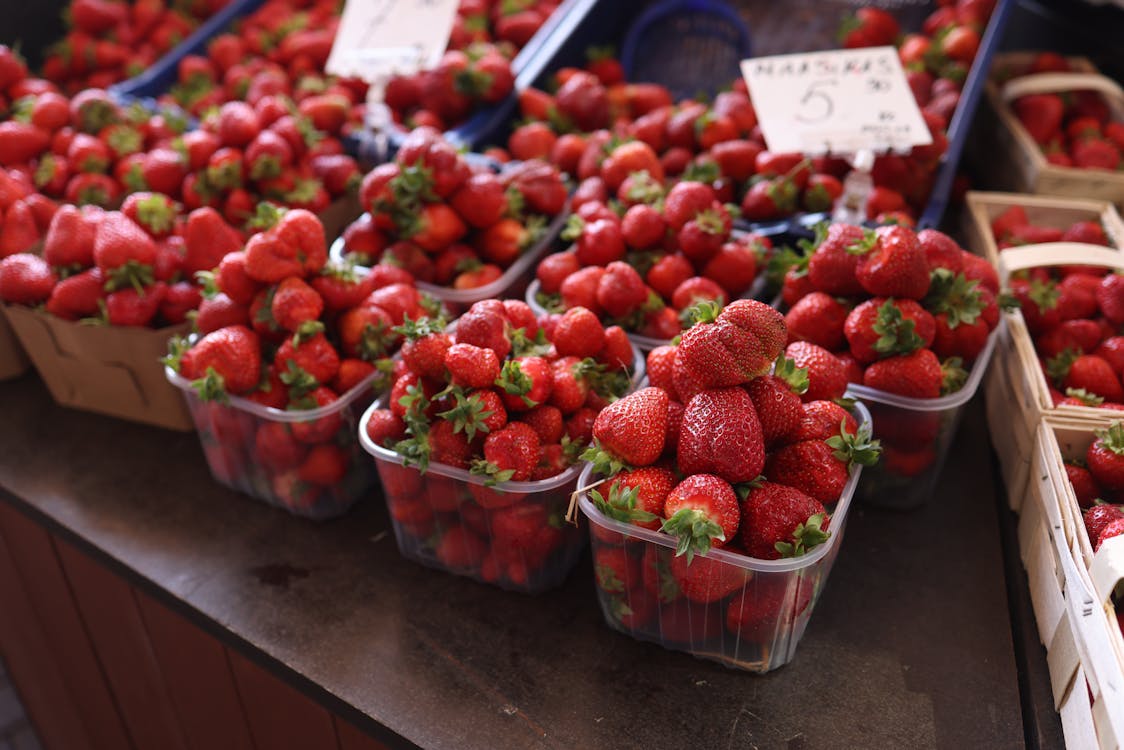
Strawberry availability in April depends on your region. In warmer states like California, Florida, and parts of the Southeast, local strawberries are already abundant at markets. The Columbia Farmers Market in Missouri kicked off its spring season in early April with local produce including early berries. Markets from North Carolina to Texas are seeing their first harvests arrive.
In cooler northern regions, April strawberries at your market may still come from farms a few states south. But by late April and into May, truly local berries start appearing even in mid-Atlantic and Midwestern markets. Ask your farmer — they'll tell you exactly when their own crop is expected and may even let you reserve a flat.
How to Pick the Best Berries at the Market
Choosing great strawberries at the farmers market is easier than at the grocery store, because the quality floor is already much higher. Still, a few tips will help you get the very best of the bunch.
Look at the color. Fully ripe strawberries are uniformly red from tip to stem. Avoid berries with white or green shoulders — unlike some fruits, strawberries don't continue ripening after they're picked.
Follow your nose. The single best indicator of a great strawberry is its aroma. Pick up a container and smell it. Ripe berries should have a strong, sweet fragrance. If they don't smell like anything, they won't taste like much either.
Check the leaves. Fresh green caps indicate recent harvest. Wilted or brown caps suggest the berries have been sitting for a while.
Ask about the variety. Different strawberry varieties have distinct flavor profiles. Some are intensely sweet, others have a pleasant tartness. Your farmer can guide you to the variety that matches your taste — or suggest you try a small container of something new.
Storing Your Strawberries Right
Farmers market strawberries are more delicate than their commercial counterparts, so proper storage matters. The golden rule: don't wash them until you're ready to eat them. Moisture accelerates spoilage faster than almost anything else.
Spread your berries in a single layer on a paper towel-lined container and refrigerate them. Stored this way, they'll stay fresh for two to three days — though honestly, the best strawberries rarely last that long in most households.
If you buy more than you can eat fresh, freezing is simple. Wash and hull the berries, spread them on a baking sheet in a single layer, freeze until solid, then transfer to a freezer bag. Frozen this way, they won't clump together and will keep for months.
Simple Ways to Enjoy Early Season Strawberries
When strawberries are this good, simplicity is your best friend. Slice them over yogurt or oatmeal in the morning. Toss them into a spinach salad with goat cheese and a balsamic vinaigrette. Or just eat them out of hand — no recipe required.
For a quick farmers market dessert, macerate sliced strawberries with a spoonful of sugar and a splash of lemon juice for 20 minutes. Spoon them over pound cake or vanilla ice cream. The berries release their juices into a syrup that's impossibly good.
If you're feeling more adventurous, pair strawberries with other April market finds. A strawberry and radish salad with mint is a surprisingly delightful combination — the peppery crunch of spring radishes plays beautifully against the berry sweetness. Or blend fresh strawberries into a simple vinaigrette for spring greens.
Making the Most of a Short Season
Strawberry season at farmers markets is glorious but brief. Depending on your region, the local harvest window can be as short as three to four weeks. That urgency is part of what makes it special — and a good reason to visit your market every week while the season lasts.
Talk to your farmers about what's coming next. Many growers offer different varieties that ripen in succession, extending the season slightly. Some offer pick-your-own days at their farms, which is a wonderful way to spend an April or May morning and stock up for preserving.
This is also the perfect time to start thinking about strawberry jam. A small batch of homemade jam from farmers market berries is one of the most rewarding preserving projects for beginners — just berries, sugar, lemon juice, and a little pectin.
The first strawberries of April are more than just fruit. They're a reminder of why seasonal eating matters, why local farmers markets exist, and why the best food is worth waiting for. Head to your market this week and taste the difference for yourself.