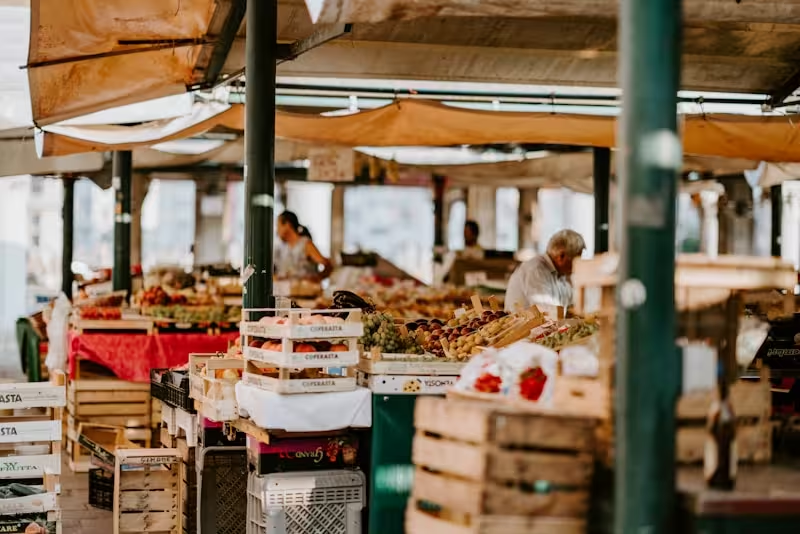
Spring Is Coming Earlier Than Ever — And Your Farmers Market Proves It
Spring Is Coming Earlier Than Ever — And Your Farmers Market Proves It
The first people to notice spring arriving early aren't meteorologists. They're your farmers market vendors.
Long before a warming trend makes headlines, it shows up in what's available at the Saturday stall — asparagus appearing a week sooner than last year, radishes coming in ahead of schedule, greens that usually take until May making a quiet appearance in late March. If you've been paying attention to your local farmers market over the past few seasons, you may have already sensed something shifting. The data confirms it.
According to climate research, 84% of U.S. cities now experience at least an additional week of warmer-than-normal spring days compared to the 1970s. Spring is arriving earlier in the vast majority of the country, quietly reshaping what shows up at farmers markets — sometimes by weeks. For shoppers who love seasonal eating, this is genuinely exciting news.
What Earlier Spring Means at the Market
An earlier spring doesn't just move things up on the calendar. It changes what farmers plant, when they plant it, and how much they can bring to market. Crops that would have been a late-April specialty are already appearing in early April. Varieties that need sustained warmth to establish themselves are now viable earlier in the season in regions that previously couldn't risk them.
For farmers market shoppers in April 2026, this translates to more abundance, earlier. You'll find:
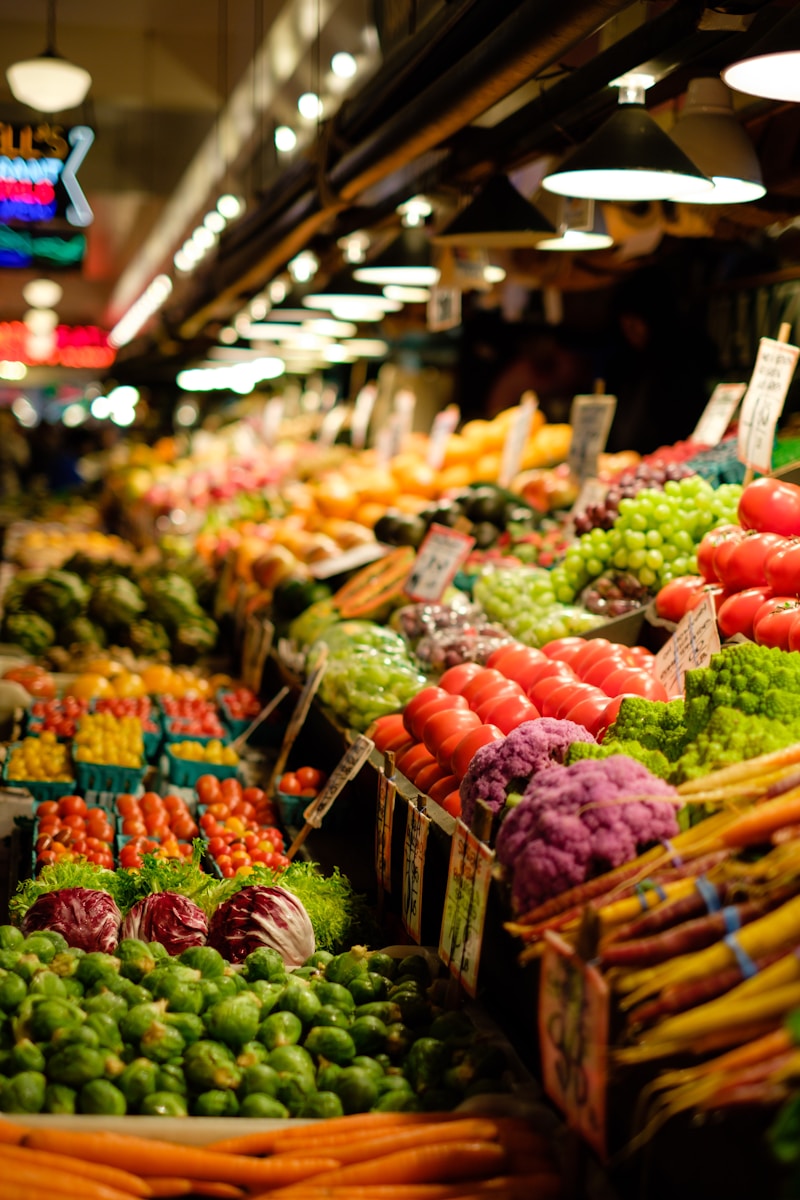
Spring greens and leafy vegetables — spinach, arugula, butter lettuce, and tender kale are among the first crops to emerge in warm soil, and they're thriving this season. These greens have a sweetness and delicacy in early spring that disappears in the heat of summer. Right now is one of the best times of year to eat them.
Radishes and root vegetables — radishes grow faster than almost anything else a farmer can plant. They're among the first crops to appear at spring markets, and they're already here in force this April. Look for French Breakfast, Easter Egg, and watermelon varieties from vendors who grow for flavor rather than shelf life.
Asparagus — in most of the country, asparagus season is peaking right now. Locally grown asparagus, harvested within 48 hours of reaching your market, is a fundamentally different product than the year-round supermarket variety. The sugars haven't converted to starch yet, and the tips are still tight and firm.
Spring alliums — green garlic, spring onions, and chives are at peak sweetness and mild heat in April. They're building blocks for almost everything you'll want to cook with spring produce this month.
The 2026 Demand Surge
Earlier spring is one part of the story. The other is who's paying attention.
Local food demand is growing at a pace that would have seemed remarkable just a few years ago. A recent University of Wisconsin study found that 80% of Americans now visit a local farmers market at least once a year — a figure that reflects a genuine shift in how people think about food. Wellness and sustainability have moved from niche concerns to mainstream motivations. Four in ten consumers say reducing their carbon footprint actively drives their purchasing decisions.
That cultural shift is visible at markets right now. Vendors report added interest as the spring season opens. New customers are showing up alongside loyal regulars. And the markets themselves are adapting — with one prominent trend being cooperative sourcing, where farms partner with neighboring operations to offer a broader range of products. A vegetable farmer might now also carry local eggs from a neighbor's farm, or partner with a grain grower to stock flours and grains alongside their fresh produce. The result is a farmers market stall that offers more than ever before.
Why This Moment Matters
There's a particular quality to spring produce that only exists in a narrow window. The same asparagus that tastes extraordinary at the farmers market in April will taste ordinary — or absent — by late June. The tender greens that are bright and peppery right now will bolt and turn bitter within weeks. Spring at the farmers market is genuinely seasonal in a way that grocery shopping rarely is.
The fact that this window is now arriving earlier — and in some regions lasting longer due to milder shoulder seasons — is an invitation to take advantage of it. Show up a few weeks earlier than you might have in previous years. Ask the vendor what's just coming in. Don't assume the calendar you learned for seasonal produce is still exactly right, because for many regions, it isn't.
How to Make the Most of It Right Now
A few practical suggestions for shopping your spring farmers market this month:
Come early. Spring produce, especially delicate greens and specialty varieties, sells out fast on market morning. The first hour is when vendors have the most variety and the most time to talk.
Ask about what's new. Farmers often have something just coming in that isn't yet displayed prominently. A quick "what just came in this week?" can lead you to the best thing at the market.
Look for the greens on the radishes. Fresh radish tops are edible and excellent — slightly bitter, good wilted in olive oil with garlic or blended into a pesto. A vendor who still has the greens attached picked them recently.
Think in terms of the week, not the season. What's at peak in the first week of April may be gone or past its prime by the last week. The farmers market rewards people who show up regularly and pay attention to what changes.
The Bigger Picture
When you shop your farmers market this April, you're participating in a system that's responding — remarkably — to a changing world. Local farmers are adjusting their planting calendars based on conditions in their specific microclimate, in ways that centralized food supply chains simply can't replicate. The produce that reaches you reflects decisions made by a person who knows their land, their varieties, and their customers.
That's always been true. What's new in 2026 is that more Americans than ever seem to recognize it — and spring is giving them more to discover, sooner than ever before.