Summer Squash Season Is Here: Your Farmers Market Guide to Zucchini and Beyond
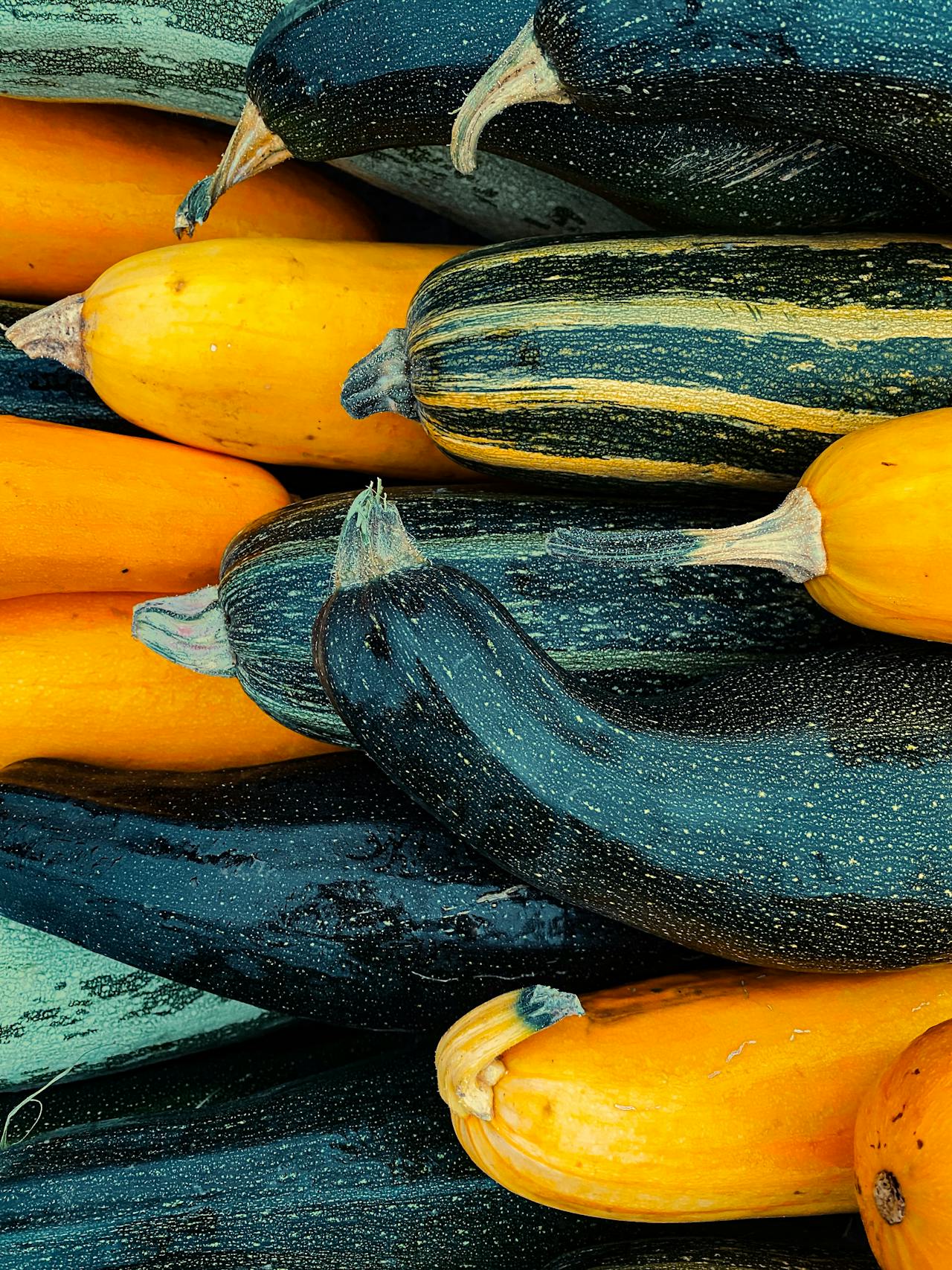
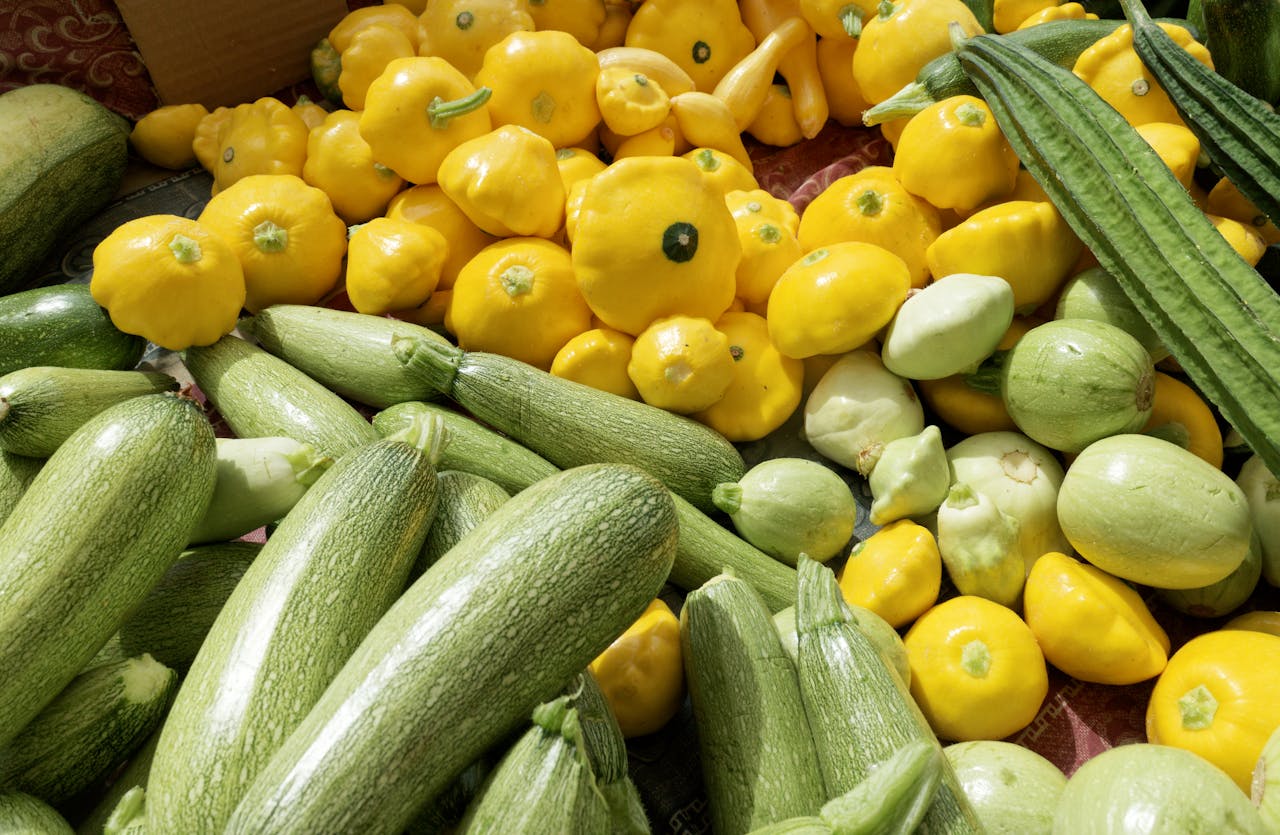
Walk through your farmers market this week and you'll notice something new on the tables: summer squash. Glossy green zucchini, golden crookneck, pale pattypan, and striped zephyr squash are showing up in bins and baskets across the country, signaling that the growing season is shifting into high gear.
Late May is one of the most exciting times at the farmers market. Spring favorites like asparagus and radishes are still around, but the first wave of summer produce is arriving alongside them. And nothing says "summer is here" quite like a pile of freshly harvested squash, still cool from the morning pick.
Why Farmers Market Squash Is Different
If you've only ever bought zucchini from a grocery store, you might wonder what the fuss is about. The difference is harvest timing. Grocery store zucchini is often picked large for shelf stability and shipped across the country over several days. Farmers market squash, on the other hand, is typically harvested that morning or the day before, picked young and tender when the skin is thin, the seeds are tiny, and the flavor is mild and sweet.
That freshness matters in the kitchen. Young summer squash has a delicate texture that holds up beautifully whether you grill it, roast it, or eat it raw in a salad. The larger, older specimens you find at the supermarket tend to be watery and seedy by comparison.
Varieties Worth Seeking Out
One of the joys of shopping at a farmers market is discovering squash varieties you'll never see in a chain grocery store. Here are some to look for:
Zucchini is the classic, and for good reason. Look for firm specimens about six to eight inches long with glossy, unblemished skin. Smaller is almost always better.
Yellow crookneck has a curved neck and bumpy golden skin. It's slightly sweeter than zucchini and wonderful grilled with olive oil and a pinch of salt.
Pattypan squash looks like a tiny flying saucer, scalloped around the edges and available in white, yellow, and green. These are ideal for stuffing or halving and roasting cut-side down.
Zephyr squash is a showstopper: half yellow and half green, with a nutty flavor and firmer texture. If you spot these, grab them. They're a farmers market exclusive that rarely appears in stores.
Costata Romanesco is an Italian heirloom zucchini with prominent ribs and a rich, almost nutty taste. Slice it into thick rounds and you'll see a beautiful star pattern inside. This variety is worth the trip to the market on its own.
How to Pick the Best Squash
Shopping for summer squash is simple once you know what to look for. Choose squash that feels firm and heavy for its size. The skin should be shiny and free of soft spots or wrinkles. Smaller squash, generally under eight inches, will have better flavor and fewer seeds than their oversized counterparts.
Don't be afraid to ask your farmer what was picked that morning. Most growers are happy to point you toward the freshest bins, and they'll often have recommendations for which varieties work best for specific cooking methods.
Five Easy Ways to Cook Summer Squash
The beauty of summer squash is its versatility. Here are five approaches that let the fresh flavor shine:
Grilled is the simplest and arguably the best. Slice zucchini lengthwise into planks about a quarter-inch thick, brush with olive oil, season with salt and pepper, and grill for three to four minutes per side. A squeeze of lemon at the end makes it sing.
Raw in salads is an underrated move. Use a vegetable peeler or mandoline to shave young zucchini into thin ribbons. Toss with arugula, shaved parmesan, lemon juice, and good olive oil for a five-minute side dish.
Roasted with parmesan brings out the natural sweetness. Cut squash into half-moons, toss with olive oil and garlic, roast at 425 degrees for twenty minutes, then finish with a generous shower of grated parmesan.
Sauteed with herbs is perfect for a weeknight dinner. Dice summer squash into cubes, cook in butter over medium-high heat until golden on the edges, and toss with fresh basil or thyme from the same market stand.
Spiralized into noodles offers a light alternative to pasta. Toss zucchini noodles with pesto, cherry tomatoes, and grilled chicken for a meal that tastes like summer in a bowl.
Storage Tips
Summer squash is best eaten within a few days of purchase, which is another reason to buy it at the farmers market instead of the grocery store. Store unwashed squash in a loose bag in the crisper drawer of your refrigerator. It will keep for four to five days, but the sooner you cook it, the better it will taste.
If you end up with more than you can eat, summer squash freezes well for later use in soups and baked goods. Dice it, spread on a sheet pan to freeze individually, then transfer to a freezer bag. Come January, you'll be glad you planned ahead.
The Season Is Just Getting Started
Summer squash season runs from now through September, so you'll have months to experiment with different varieties and recipes. But right now, in late May, is when the quality is at its peak: the plants are young and vigorous, producing tender squash with concentrated flavor before the midsummer heat sets in.
Head to your local farmers market this weekend and pick up a few different varieties. Talk to the farmer who grew them. Try something you've never cooked before. That's the whole point of shopping local, and summer squash season is the perfect time to start.